
Understanding the psychology behind gambling behavior in casinos
The Allure of Gambling: Why People Are Drawn to Casinos
Gambling is a complex behavior that captivates millions of individuals across the globe. One significant aspect that contributes to this allure is the thrill of uncertainty and the potential for substantial financial gain. The chance to win big in a game of chance creates an adrenaline rush that many find irresistible. This excitement, often coupled with the social environment of casinos, enhances the overall experience, making it more than just about the game itself. Many players find themselves returning to platforms like the MsSpins casino, drawn by the promise of excitement and winning opportunities.
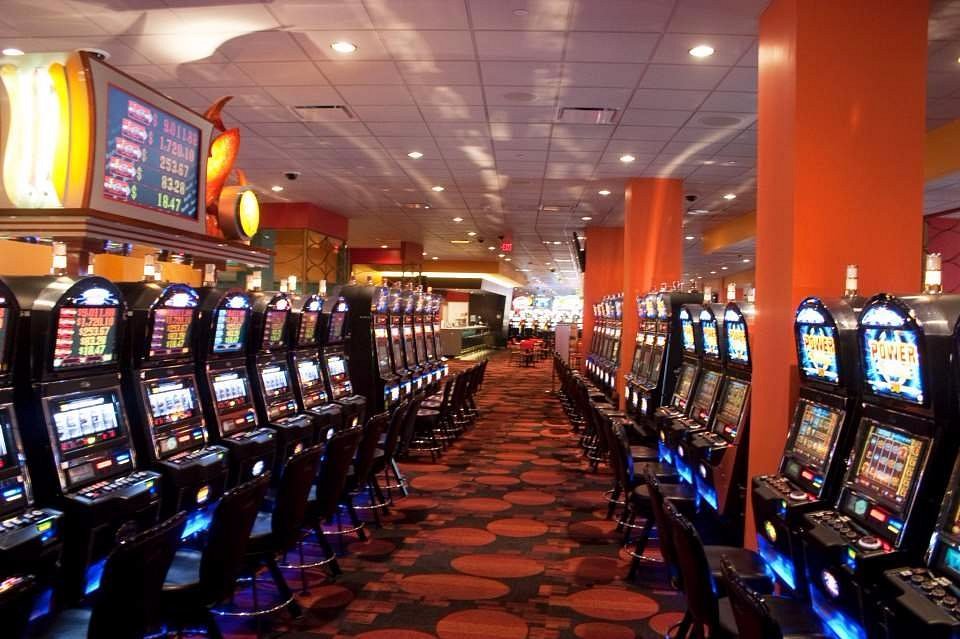
Moreover, the atmosphere of casinos is deliberately crafted to stimulate engagement and prolong visits. Bright lights, captivating sounds, and a lively ambiance create a sense of euphoria that encourages players to keep gambling. This sensory overload can trigger emotional responses that cloud judgment, leading to increased spending. Understanding the psychological mechanisms at play in this context is crucial for recognizing the deeper motivations behind gambling behavior.
Additionally, the concept of escapism plays a vital role in why people are attracted to gambling. For many, visiting a casino represents a temporary escape from daily life. This retreat offers a chance to forget about stressors and immerse oneself in a world of excitement and possibility. As players engage in games, they often experience a shift in focus that can be incredibly appealing, making it a popular pastime for those seeking relief from their routines.
The Role of Cognitive Biases in Gambling Decisions
Cognitive biases significantly influence how individuals perceive and engage in gambling. One common bias is the illusion of control, where gamblers believe they can influence the outcome of games, particularly in skill-based activities like poker. This misconception leads to overconfidence, driving players to take risks they otherwise wouldn’t consider. The belief that one can outsmart the house can be both thrilling and damaging, as it often results in significant losses.
Another prevalent cognitive bias is the gambler’s fallacy, where individuals believe that past outcomes affect future probabilities. For instance, a player may assume that after several losses, a win is «due,» prompting them to wager even more. This faulty reasoning can create a vicious cycle of chasing losses, further entrenching players in their gambling habits. Recognizing these biases is essential for understanding why some individuals become stuck in patterns of excessive gambling.
Additionally, the concept of near misses is critical in gambling psychology. When players almost win, such as landing two out of three symbols on a slot machine, they often perceive it as a sign of impending success. This sensation can lead to increased gambling as players chase the feeling of almost winning, reinforcing a sense of hope. The combination of these cognitive biases creates a fertile ground for compulsive gambling behaviors, requiring a closer examination of their psychological underpinnings.
The Emotional Impact of Winning and Losing
The emotional responses associated with winning and losing in gambling can significantly affect behavior. Winning can create a euphoric state, triggering the release of dopamine in the brain, which is often referred to as the «feel-good» neurotransmitter. This rush can lead to a heightened desire to continue gambling in hopes of replicating that winning experience. The high from a win can be addictive, influencing players to chase further victories, often without considering the risks involved.
Conversely, losing can evoke a range of negative emotions, including frustration, disappointment, and anger. These feelings may lead to a compulsion to continue gambling in an attempt to recover losses, a phenomenon known as loss chasing. This emotional cycle can trap gamblers, compelling them to spend more time and money in a futile quest for redemption. Understanding these emotional dynamics is essential for recognizing the potential for harmful gambling behavior.
Moreover, social influences can exacerbate the emotional stakes involved in gambling. The communal aspect of casino environments, where friends or acquaintances gamble together, can amplify the highs and lows experienced by individuals. Positive reinforcement from peers can encourage risk-taking behaviors, while negative outcomes can lead to collective frustration. This interplay of emotions emphasizes the need for awareness and self-control in gambling situations, highlighting the psychological complexities at work in casino settings.
Environmental Triggers: How Casinos Manipulate Behavior
The design of a casino is a strategic endeavor aimed at maximizing player engagement and spending. Casinos employ various techniques to create an inviting and stimulating environment. For instance, the layout is often intended to keep players moving through the space, encouraging them to explore different games and areas. This design promotes longer visits and, consequently, increased gambling activity.
Sound and lighting play crucial roles in influencing behavior as well. The sounds of coins, cheers, and upbeat music create an atmosphere of excitement that can heighten the emotional experience of gambling. Additionally, the use of bright lights and vibrant colors is intended to evoke feelings of joy and celebration, making the casino feel like an enticing playground. This sensory stimulation can impair judgment and promote prolonged gambling sessions.
Furthermore, casinos often use reward systems that appeal to players’ desire for recognition and validation. Loyalty programs and player clubs create a sense of belonging and community while offering incentives that encourage continued gambling. These strategies capitalize on psychological principles, such as social proof and reciprocity, making it more likely for individuals to return and engage in gambling behaviors. Understanding these environmental triggers is essential for comprehending how casinos can manipulate gambling behavior.
Exploring Online Gambling: The Digital Shift in Casino Behavior
The rise of online gambling has transformed how individuals engage with games of chance. Online casinos offer unprecedented convenience and accessibility, allowing players to gamble from the comfort of their homes. This shift has led to an increase in participation, as individuals who may have been hesitant to visit brick-and-mortar establishments find online platforms more appealing. However, this accessibility also raises concerns about compulsive gambling.
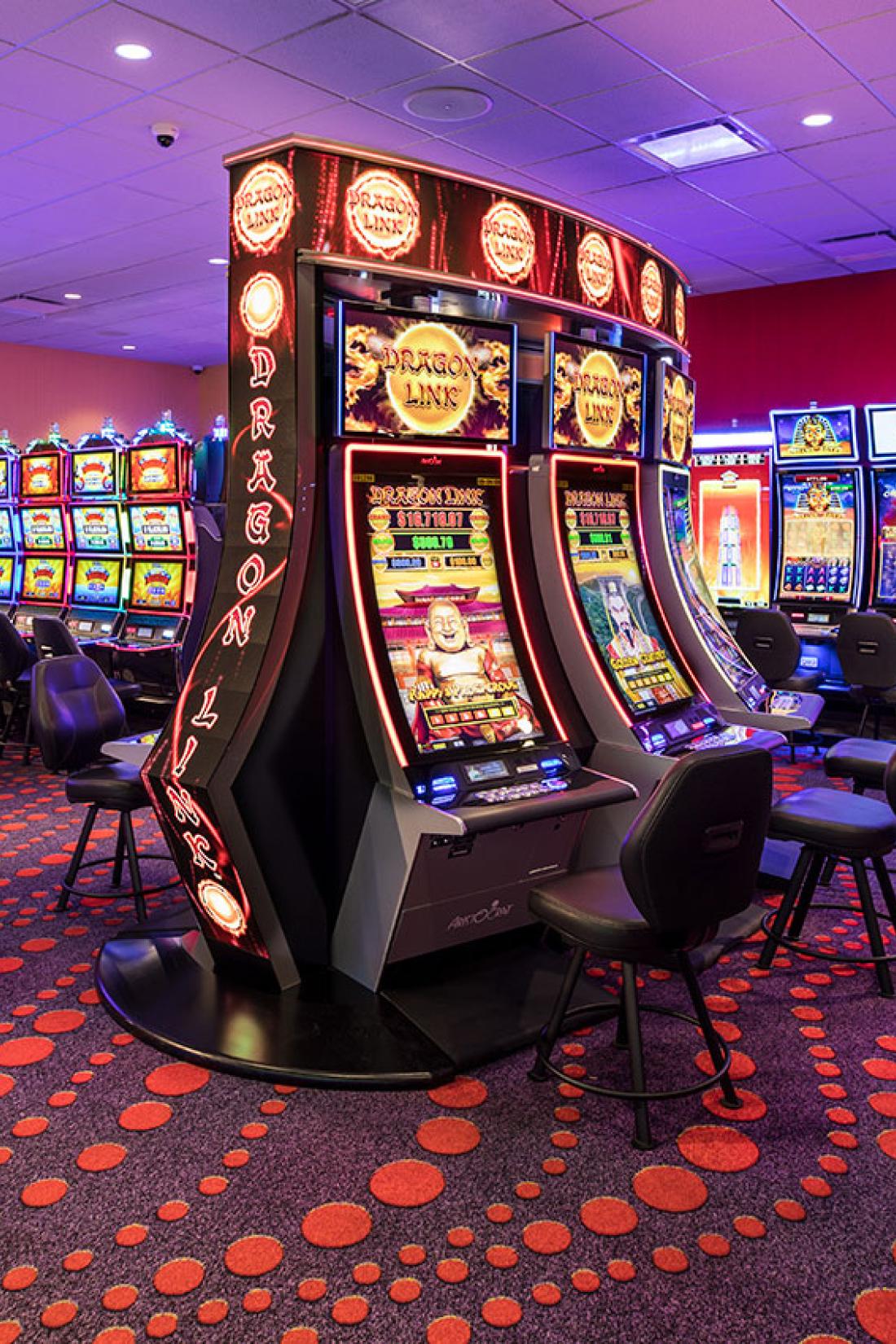
In the online realm, behavioral cues that trigger gambling actions can be easily manipulated. Features such as autoplay, enticing promotions, and personalized recommendations create a tailored experience that can encourage prolonged engagement. These elements can lead to a sense of immersion that mimics the thrill of physical casinos while also presenting unique psychological challenges. The immediacy and anonymity of online gambling can exacerbate risky behaviors, making it crucial to understand the psychological implications of this digital shift.
Moreover, online gambling can create feelings of isolation, as players may not have the social interactions found in traditional casinos. This solitude can lead to an intensified emotional experience, as individuals may turn to gambling as a coping mechanism for loneliness or boredom. The psychological effects of this shift emphasize the need for responsible gaming practices and awareness of the potential risks associated with online gambling environments.